

What Questions Should You Ask a Moving Company Before Booking?
Ask about licensing, who will perform the move, estimate type, included services, price-change rules, building logistics, valuation and cancellation terms before booking.
Blog
Expert advice, NYC moving guides, and company updates from the Serenity Movers team.
Ask about licensing, who will perform the move, estimate type, included services, price-change rules, building logistics, valuation and cancellation terms before booking.

⚡ Quick Answer: Bronx Moving Company Costs & Choices So, what should you expect to pay, and who should you trust? A reliable Bronx moving […]

Some movers require a booking deposit, but the amount, payment method, refund terms and what the deposit reserves should all be clear in writing before you pay.
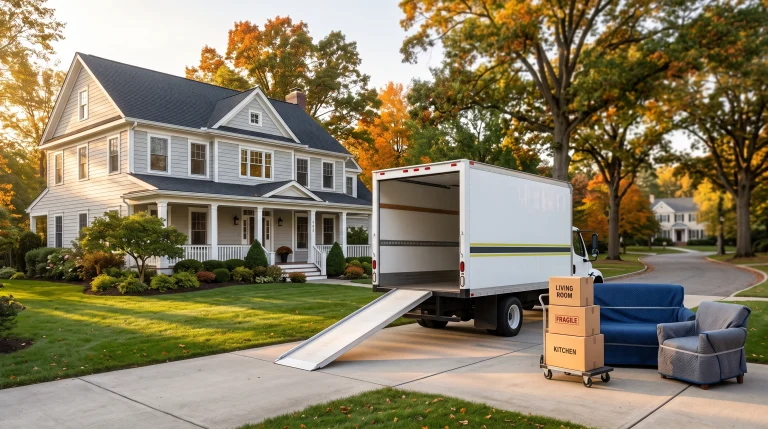
For an interstate household-goods move, the bill of lading is a key contract and receipt. Check the mover identity, addresses, shipment dates, valuation choice, charges and attached terms before signing.

Before an office move, IT should inventory systems, back up critical data, confirm internet and telecom at the new site, label equipment, plan shutdown and reconnect, and test business-critical services before reopening.
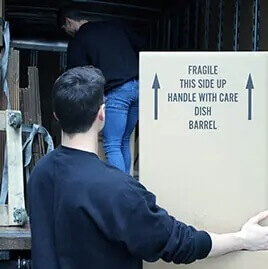
Custom crating is worth considering when artwork is oversized, fragile, unusually valuable, structurally vulnerable or difficult to protect with standard cartons and wrapping alone.

Access to mover-managed storage is usually controlled rather than walk-in. Ask how retrieval works, how much notice is needed, whether partial access is available and what fees apply before storing.

Moving companies commonly restrict hazardous, flammable, explosive, corrosive and perishable items. Keep cash, critical documents, medications and irreplaceable personal items with you.

Reserve the service or freight elevator as soon as your NYC move date is likely. Building rules vary, so confirm the window, COI, deposits, approved hours and access path before booking.
Even when you are moving to another unit in the same building, most loose household items should still be boxed or contained so the move is safe and efficient.