Moving from NYC to Westchester: Your Complete Relocation Guide
The NYC-to-Westchester move is one of the most common relocations in the New York metropolitan area. Whether you’re drawn by more space, better schools, or a quieter pace of life, leaving the city for Westchester is a significant transition. Here’s your comprehensive guide.
Why People Move from NYC to Westchester
- Space: More room for the money — backyards, basements, garages
- Schools: Many Westchester districts rank among the best in New York State
- Safety: Lower crime rates and quiet residential streets
- Nature: Parks, trails, reservoirs, and green space in abundance
- Community: Neighborhood associations, town events, and closer-knit communities
- Still close to NYC: Most Westchester towns are 30–60 minutes from Grand Central by Metro-North
Westchester Neighborhoods: Where Should You Move?
Yonkers
The closest option to NYC (bordering the Bronx), Yonkers offers the most urban feel of any Westchester community. It has the fastest growing arts scene in the county, excellent transit access on the Hudson Line, and some of the most affordable housing in Westchester. The waterfront and downtown areas have been significantly revitalized in recent years.
White Plains
Westchester’s county seat, White Plains is a genuine small city with a vibrant downtown, excellent transit connections (Metro-North’s Harlem and New Haven lines both serve it), and a wide range of housing from apartments to single-family homes. Great for those who want suburban convenience without complete separation from urban energy.
Scarsdale
One of the most prestigious addresses in the New York metro area, Scarsdale offers stunning homes, exceptional public schools, and a 31-minute express train to Grand Central. It’s among the most expensive communities in Westchester but consistently ranks as one of the best places to raise a family in the US.
Larchmont / Mamaroneck
These neighboring villages on Long Island Sound offer a classic Westchester experience: beautiful homes, excellent schools, a charming walkable village, and a beach on the Sound. The commute to Grand Central is 35–40 minutes. A favorite destination for NYC transplants with young families.
Tarrytown / Sleepy Hollow
The Hudson River towns have a storybook quality — historic downtowns, river views, and a 40-minute ride to Grand Central on the Hudson Line. Tarrytown in particular has seen significant growth in restaurants and amenities as more NYC residents have discovered it.
Pelham
One of the most accessible Westchester communities for NYC commuters — just 23 minutes to Grand Central on the New Haven Line. Pelham has a tight-knit community, excellent schools, and a walkable village. Housing is more affordable than Scarsdale or Larchmont.
The Commute: What to Expect
Most Westchester residents commute to NYC via Metro-North Railroad, which runs three main lines through the county:
- Harlem Line: Serves communities from Yonkers to Southeast (Brewster area)
- Hudson Line: Serves communities along the Hudson River from Yonkers to Poughkeepsie
- New Haven Line: Serves communities along the Sound Shore from Mount Vernon to New Haven
Monthly commuter passes to Grand Central range from approximately $200–400 depending on your zone. Factor this into your budget when comparing the cost of Westchester versus NYC.
Cost of Living Comparison
While housing costs in desirable Westchester towns can rival NYC, the overall picture often favors Westchester for families:
- Housing: More space per dollar in most Westchester communities vs. Manhattan/Brooklyn
- Property taxes: Westchester has some of the highest property taxes in the country — factor this into your budget carefully
- Car: Almost all Westchester residents need a car; add insurance, registration, and gas to your budget
- Groceries and dining: Generally more affordable than Manhattan but on par with outer boroughs
Before You Move: Westchester Practical Checklist
- Research school districts thoroughly if you have or plan to have children
- Purchase or lease a car before moving if you don’t already have one
- Obtain a New York State driver’s license if you only have a NYC non-driver ID
- Research property taxes for your specific town (they vary significantly within Westchester)
- Set up utilities including oil or gas heating (many Westchester homes use heating oil)
- Find a local pediatrician, dentist, and primary care physician in advance
Moving Day from NYC to Westchester
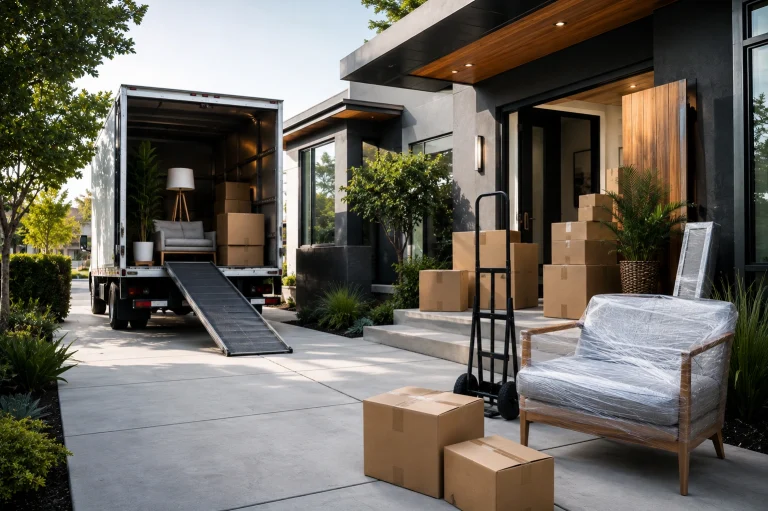
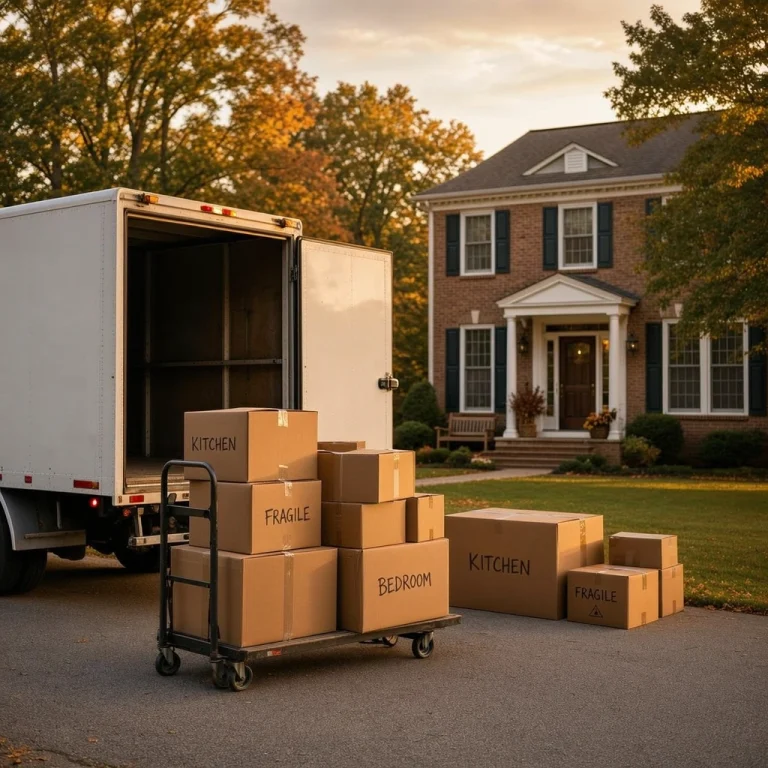
A NYC-to-Westchester move has different logistics than a pure in-city move:
- No elevator or COI requirements at most Westchester homes (though check if moving to a condo)
- Longer driving time means scheduling is more flexible than tight in-city moves
- Many Westchester homes have more space, so disassembly/reassembly needs are lower
- Confirm parking — most homes have driveways, but narrow roads require advance planning
- If your Westchester home has stairs to the entrance, let your movers know in advance
Serenity Movers regularly handles NYC-to-Westchester relocations and is familiar with the communities, roads, and logistical differences of this move type. We’ll make the transition from city living to suburban life as smooth as possible.